What We Do

Services

What we pour, repair and finish, and what actually matters underneath each one.

HomeServices

Everything we take on

Every job below is one we do ourselves across Batavia.

Concrete Driveways

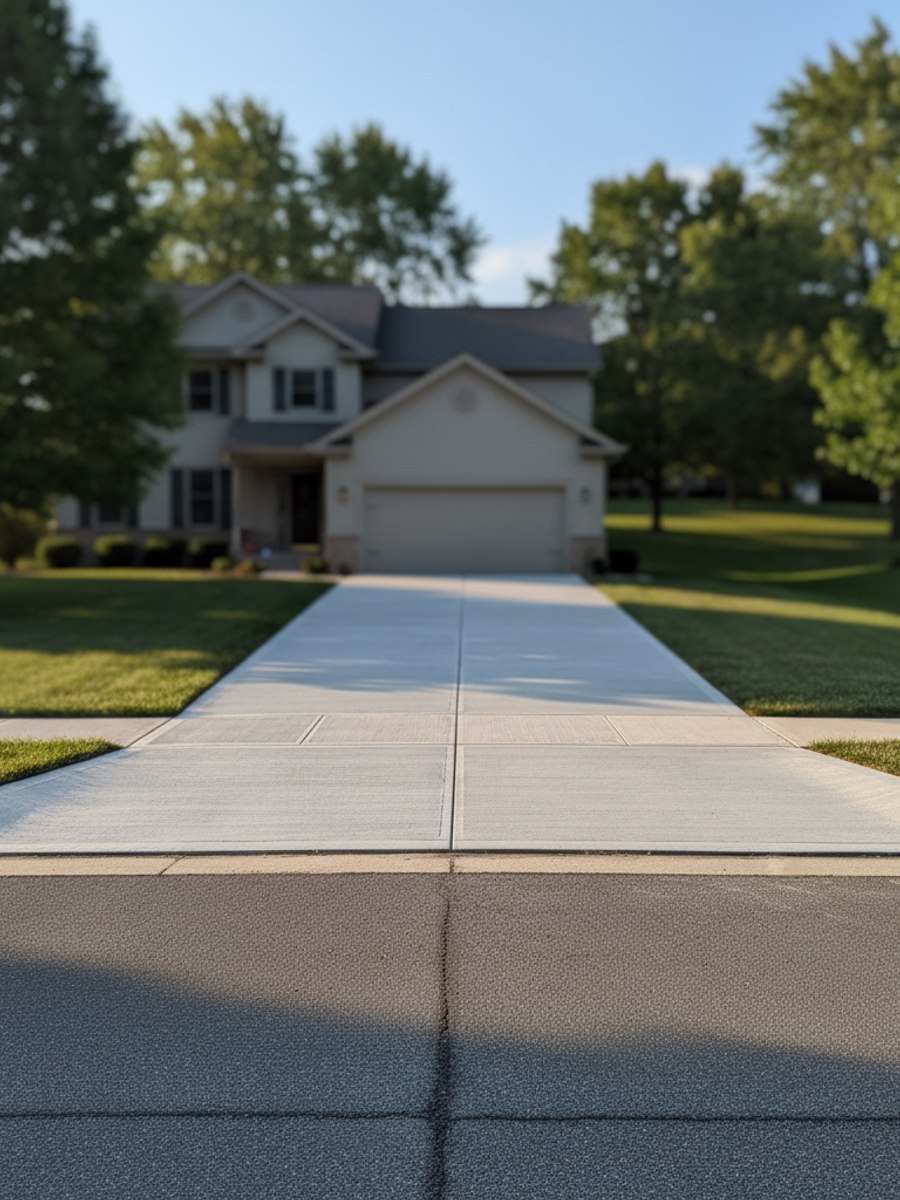
A driveway takes more abuse than any other slab on your property, truck tires, road salt, the freeze-thaw cycle every winter. We pour a minimum 4-inch slab over compacted gravel base and set rebar on anything wide enough to carry a vehicle. Control joints go in the same day so cracking happens where we planned it, not across the middle of your car port.

Concrete Patios

Patios don't carry the load a driveway does, so we can get more creative with the finish, broom, stamped, exposed aggregate. We still grade it away from the foundation so water doesn't pool against your siding. Most patios go from forms to finished concrete in a day.

Stamped Concrete

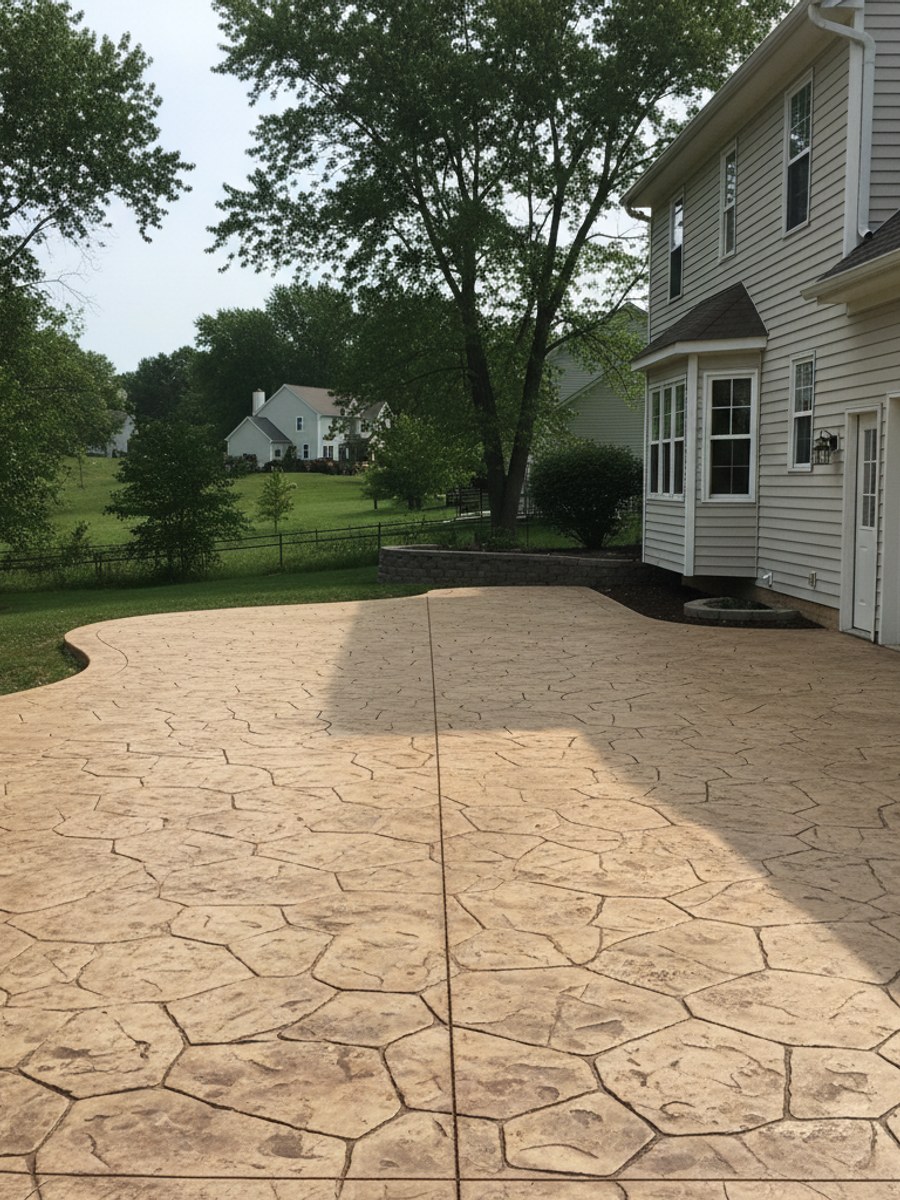
Stamped concrete gets you the look of pavers or natural stone without the joints where weeds and ants move in. We run the color hardener and release agent while the slab is still plastic, then stamp the pattern before it sets up too hard to take an impression. Sealer goes on after curing to protect the color and texture from salt.

Concrete Repair

Not every cracked or sunken slab needs to come out. If the base underneath is solid we can mudjack or foam-lift a sunken section back to grade, and for surface cracks and spalling we can patch and resurface. If the crack is a symptom of a failed base, we'll tell you that instead of just patching over it.

Concrete Sidewalks

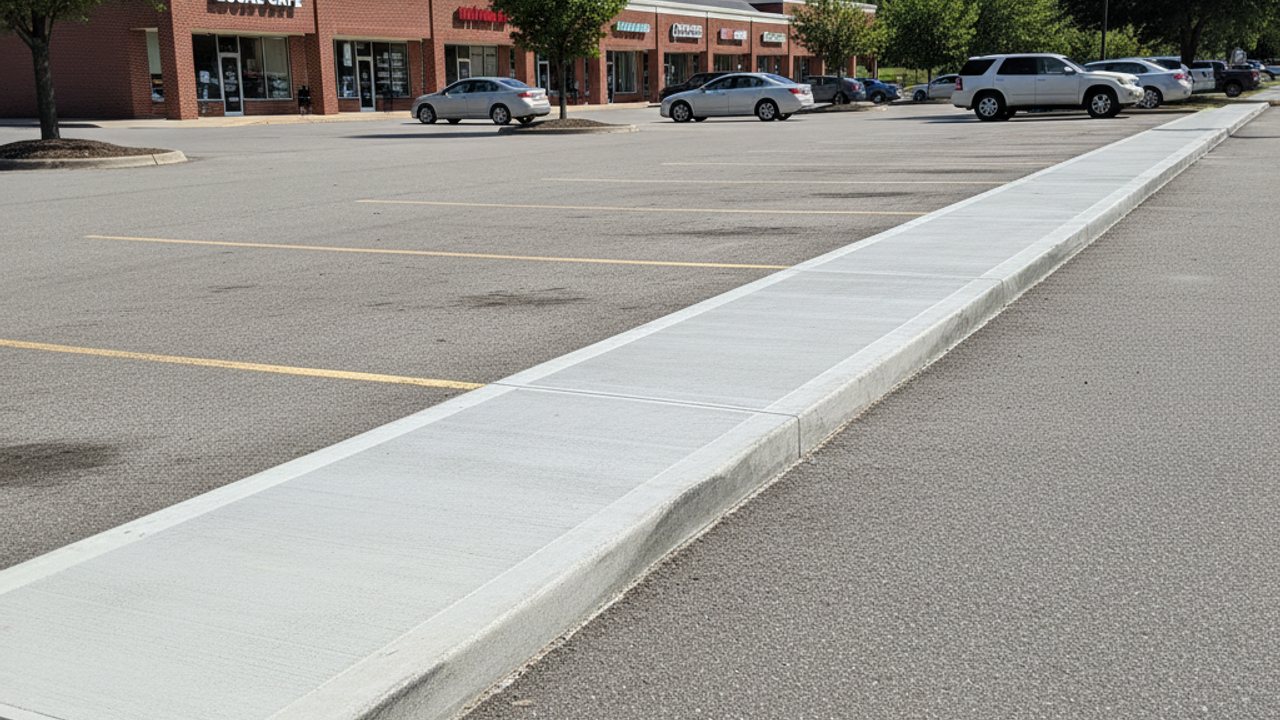
Sidewalks take root pressure from nearby trees and years of shovel abuse in the winter. We set expansion joints against any adjoining slab or foundation so the sections can move independently instead of cracking each other apart. We also match the broom finish to whatever's already on the property where it butts up to existing concrete.

Concrete Steps & Porches

Steps and porch slabs get walked on every day and take a beating from de-icing salt in winter, so we finish them with a broom texture for grip and use air-entrained concrete to resist salt scaling. We tie new steps into the house foundation properly instead of just setting them next to it, which is usually why old ones separate and rock.

Garage Slabs & Foundations

A garage slab needs to carry more weight sitting still than most driveways ever will, tools, a car, maybe a lift. We pour to spec thickness with proper reinforcement and isolate the slab from the foundation wall with an expansion joint so the two don't crack each other.

Exposed Aggregate Concrete

Exposed aggregate gives you a non-slip surface with some texture to it, good for pool decks and patios where plain gray gets slick when wet. We wash and brush the surface once it's set enough to hold the stone but before it fully cures, then seal it to keep the aggregate from working loose over time.

Concrete Sealing

Unsealed concrete soaks up water, and water that freezes inside the slab is what causes surface scaling and pitting. We apply a penetrating sealer that keeps water and de-icing salt out without leaving a slick film on top. Driveways and patios should get resealed every couple of years depending on traffic and sun exposure.

Retaining Walls

A retaining wall on a sloped lot is holding back more soil than it looks like, especially after heavy rain. We build in proper drainage behind the wall so hydrostatic pressure doesn't push it out of plumb in a year or two.

How It Works

Four steps, and no surprises in any of them.

01

We come and look

You tell us what you want doing, we look at what is actually there, and we ask the awkward questions early.

02

You get a price

In writing, itemised, free. If something might add cost later we flag it now rather than at the end.

03

We do the work

Same crew throughout. We cover your floors, keep the dust down and tidy up before we leave each day.

04

We walk it with you

You point out anything you are not happy with and we fix it before the invoice, not after.

Where We Work

All of this, across Batavia, OH

Concrete work in Batavia and within about 50 miles of it.

Batavia, OH
Cincinnati, OH
Loveland, OH
Milford, OH
Blanchester, OH
Mount Orab, OH
Amelia, OH
Bethel, OH
New Richmond, OH
Williamsburg, OH
Goshen, OH
Common Questions

Things worth asking

Questions that come up once a project is actually underway.

Do I need a permit for a new driveway or patio?
Permit requirements for concrete work depend on the local municipality and whether the project changes drainage patterns or sits near a property line. Most residential patio and driveway replacements don't require a permit, but a new driveway apron connecting to a public street usually does.
How long does a typical concrete project take?
A standard driveway or patio pour takes one to two days for forming and pouring, but the concrete needs at least 24 to 48 hours before it can be walked on and about a week before light vehicle traffic. Full cure strength takes closer to 28 days, though the surface is usable well before that.
Can you work within a set budget?
Concrete jobs can be scaled to a budget by adjusting the finish, plain broom finish costs less than stamped or exposed aggregate, or by phasing the project, pouring the driveway now and the walkway later. The one place not to cut corners is the sub-base, since a thin or poorly compacted base leads to cracking regardless of finish.
Do you offer any guarantee on the concrete work?
Workmanship guarantees on concrete typically cover installation defects like improper thickness or joint placement, but concrete is a natural material and hairline cracking within control joints is expected, not a defect. Specific guarantee terms should be spelled out in the written quote before work starts.
Who do I deal with day to day during the project?
The same crew that quotes a concrete job typically handles the forming, pouring and finishing, so the person who walked the site is usually on site during the pour. This matters on concrete work since decisions about joint placement and finish timing get made in the field, not from an office.
What materials do you use, rebar or wire mesh?
Rebar is standard for driveways and anything carrying vehicle weight since it holds the slab together even after a crack forms, while wire mesh is common on patios and walkways with lighter loads. Mesh tends to sink to the bottom of the pour if it isn't held up properly during placement, which defeats its purpose.
Can I still use my driveway or patio while the work is happening?
The driveway or patio being replaced is out of use during the pour and for the first several days of curing, so alternate parking or access needs to be arranged ahead of time. Interior living space isn't affected by exterior concrete work.
What should I do to prepare the site before work starts?
Preparing for concrete work means clearing the area of vehicles, furniture, and any landscaping that overlaps the work zone, since excavation for the new base extends beyond the finished slab edges. Sprinkler lines or buried cables in the area should be flagged before excavation begins.
What happens if you find a problem once the old concrete comes out?
Removing old concrete sometimes uncovers a failed sub-base, tree roots, or soft clay soil that wasn't visible during the estimate, and that changes the scope of work. Any additional excavation or base repair is discussed and priced before proceeding rather than added to the bill afterward.
How should I take care of new concrete after it's poured?
New concrete should stay free of vehicle traffic for about a week and be sealed within the first year to protect against water intrusion and salt damage. De-icing salt should be avoided on new concrete its first winter, since fresh concrete is more vulnerable to surface scaling before it's fully cured.

Not sure what you need?

Describe the problem and we will tell you what it probably is. No obligation.
Call (513) 463-5875